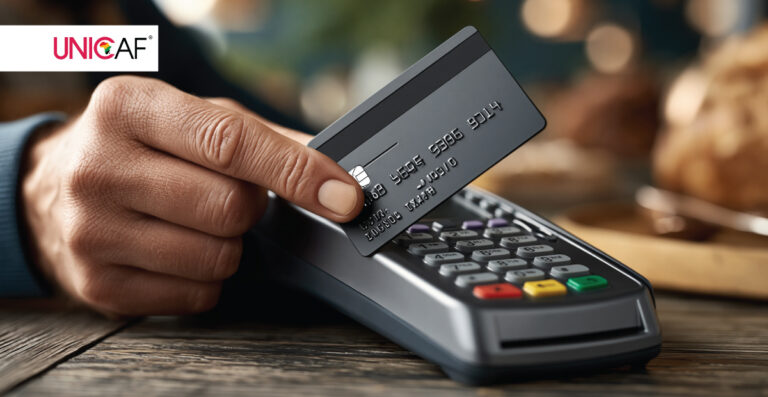
The shift toward digital payments has accelerated in recent years, driven by advances in financial technology, changing consumer habits, and the sheer convenience of paying without cash. Together, these forces are steadily pushing economies worldwide closer to fully cashless systems.
What’s Driving the Rise of Digital Payments?
- Technological Innovation:
Widespread smartphone adoption has fuelled the growth of technologies like NFC (Near Field Communication) and QR codes, enabling users to pay by simply tapping a device or scanning a code. Alongside this, stronger security infrastructure has helped ease long-standing concerns regarding fraud and system vulnerabilities.
- Changing Consumer Behaviour:
Digital payments offer clear advantages over cash, such as greater speed, flexibility, and accessibility, making them an increasingly natural default for everyday transactions.
What Is a Cashless Economy?
A cashless economy is a financial system where transactions happen digitally, be it through credit and debit cards, mobile apps, digital wallets, and bank transfers, rather than physical banknotes, coins, or cheques. Funds exist as electronic data, stored and transferred without ever changing hands physically.
What Are the Types of Digital Payments?
- Credit and debit cards, which represent the most common and widely accepted digital payment methods, and the closest like-for-like alternative to physical cash
- Mobile apps and digital wallets, such as PayPal, Revolut, Google Wallet, and Apple Pay, which enable users to manage their finances and pay remotely without the need for physical cards
- Bank transfers, which are direct digital transfers between accounts, largely replacing traditional cheques with faster, more flexible payments
Why Are More People Switching to Digital Payments?
- Speed and convenience, with transactions able to be completed in seconds, without the need to carry cash on your person
- Streamlined record-keeping, as automatic digital records simplify budgeting, accounting, and expense tracking for individuals and businesses alike
- Reduced administrative burden, with organisations spending less time on manual cash handling, deposits, and reconciliation
- Greater financial inclusion, as mobile-based payment options can reach populations without easy access to traditional banking
- Lower physical security risk, no cash on hand means less exposure to theft or loss
What Are the Challenges and Risks of a Cashless Economy?
- Security and Privacy:
As funds become fully digital, strong cybersecurity is essential to prevent data theft and unauthorised account access.
- Digital Literacy and Financial Education:
Not everyone has equal access to digital payment tools, key barriers include:
- Limited IT infrastructure in developing regions, restricting internet and service access
- Lower digital confidence among older populations, who may be less familiar with newer financial technologies
- Onboarding friction, resulting from confusing or poorly designed payment processes that increase errors and frustration
How Can Unicaf Prepare You for a Career in FinTech?
At Unicaf, you can pursue a career in financial technology through a wide range of academic programmes spanning finance, business, technology, and other related fields, with relevant specialisations helping you develop expertise aligned with the evolving demands of the fintech industry. Offered in collaboration with our partner universities in the UK and Africa, and supported by our generous scholarship opportunities, students can earn internationally recognised degrees, delivered through flexible and accessible learning via Unicaf’s state-of-the-art virtual learning environment, helping you build the knowledge and skills needed to succeed in the rapidly evolving fintech sector.
FAQ: Digital Payments and the Cashless Economy
Will cash disappear completely? Unlikely in the near term, cash is expected to remain relevant to an extent, even as digital payments continue to grow as the dominant transactional method.
Is a digital wallet safe to use? Reputable digital wallets use encryption and security protocols designed to protect financial data, though users should still follow robust security practices like strong passwords and two-factor authentication methods.
What Is the Future of Digital Payments?
The shift towards a cashless economy shows no signs of slowing, driven by changing consumer preferences and continued fintech innovation. Credit and debit cards have served as a transitional step between physical cash and digital payments, with digital wallets and mobile apps further accelerating this transformation. Although cash is likely to retain a role in certain contexts for the time being, digital transactions are set to become increasingly central to how people pay, save, and manage their finances.