
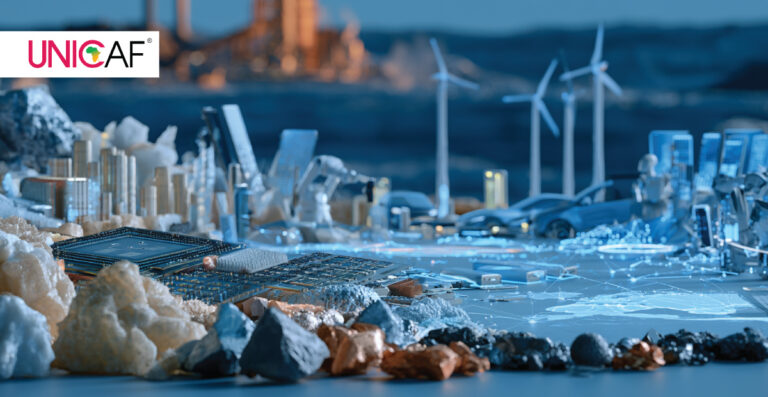
Behind every smartphone, electric vehicle, wind turbine, and data centre lies an intricate and often fragile network of critical raw material supply chains that makes modern and future technologies possible. These incredibly valuable minerals and metals, many of which are sourced from a limited number of countries around the globe, underpin these technologies which are currently transforming our world. As demand for clean energy, next-generation electronics, and advanced computing continues to grow, securing access to critical raw materials has increasingly become one of the most pressing economic and geopolitical challenges of our time.
What Are Critical Raw Materials?
Critical raw materials, or CRMs, are minerals and metals considered essential to modern industry and economic security, typically because of their high economic importance and the risks associated with their supply. Governments and organisations, including the European Union and the U.S. Geological Survey, maintain official lists of materials deemed critical, periodically reviewing and updating them in response to evolving supply chains, geopolitical developments, and technological demands.
Common examples of critical raw materials include:
- Silicon, a fundamental material in semiconductor manufacturing and modern computer chips
- Lithium, essential for rechargeable batteries used in various electronic devices and electric vehicles
- Copper, integral for electrical wiring, circuit boards, and power grid infrastructure
- Nickel, extensively used in stainless steel manufacturing and battery production
- Graphite, a core material used in lithium-ion batteries and certain fuel cell technologies
- Cobalt, a key component in high-performance aerospace parts as well as lithium-ion batteries
- Platinum Group Metals, used in catalytic converters, hydrogen fuel cells, and various industrial applications
- Gallium and Germanium, vital materials used in specialised semiconductors, fiber optic systems, and solar cell technologies
- Rare Earth Elements, critical for magnets used in electric motors, wind turbines, and consumer and defence electronics
How Important Are Critical Raw Materials for the Future of Technology?
- Powering the Clean Energy Transition
The transition to clean energy technologies, including solar panels, wind turbines, electric vehicles, and battery storage systems, heavily depends on the availability of CRMs. As countries pursue decarbonisation goals, demand for these materials is projected to grow significantly over the coming decades, requiring multiple times the current global supply.
- Enabling Advanced Electronics and Computing
Smartphones, laptops, and a wide range of other consumer electronics rely on dozens of CRMs for components like semiconductors, batteries, and display technologies. As devices become more sophisticated, the material complexity required to manufacture them continues to increase.
- Supporting AI and Data Infrastructure
The rapid expansion of artificial intelligence has significantly increased demand for high-performance computing hardware, which in turn requires substantial quantities of specialised materials, ranging from the copper used in data center wiring to the rare earth elements used in cooling systems and components.
- National Security and Defense Applications
CRMs are also essential for defense technologies, including precision-guided systems, radar, and aerospace components, making secure access to these materials a matter of national security for many governments around the world.
Critical Raw Material Supply Risk Challenges:
- Geographic Concentration
A small number of countries dominate the extraction and processing of CRMs, creating one of the biggest challenges for global supply chains. This concentration creates significant vulnerabilities, with any disruption, policy change, or export restriction in any one of these regions sending ripple effects through global technology supply chains.
- Lengthy Development Timelines
Opening a new mine or processing facility can take a decade or more due to permitting, environmental review, and infrastructure development, meaning that supply cannot often quickly respond to sudden increases in demand.
- Environmental and Ethical Concerns
CRMs mining efforts can carry significant environmental costs, including habitat disruption, water usage, and waste management challenges. In some regions, poor labour practices and human rights concerns, particularly around cobalt mining, have drawn increased scrutiny from consumers, investors, and regulators alike.
- Processing Bottlenecks
Even when CRMs are extracted, they often require specialised refining and processing before they can be used in manufacturing. This processing stage itself is concentrated among a small number of facilities globally, creating an additional layer of supply chain risk.
Strategies for Securing Critical Raw Material Supply:
- Diversify Sourcing Efforts
Nation-states and organisations alike are actively seeking to diversify supply chains by developing new extraction and processing partnerships across multiple regions, reducing reliance on any single source, mitigating the risks of supply disruptions or depletion.
- Invest in Recycling and Address Waste Challenges
Recovering critical materials from used electronics, batteries, and industrial equipment offers a way to reduce dependency on new mining efforts while addressing electronic waste challenges. Battery recycling technology, in particular, has seen substantial investment in more recent years.
- Develop Alternative Materials
Research into alternative materials and battery chemistries, such as sodium-ion batteries that reduce reliance on lithium and cobalt, for example.
- Incentivise Domestic Production
Many governments are offering incentives to develop domestic mining, refining, and processing capacity, aiming to build more resilient, regionally secure supply chains.
- Strategic Stockpiling
Some nations maintain strategic reserves of CRMs to buffer against short-term supply disruptions, similar to strategic oil reserves.
- Greater International Cooperation and Trade Agreements
Collaborative agreements between allied nations aim to create more diversified and secure supply networks, reducing overreliance on any single trading partner prone to geopolitical, economic, and trade instability.
How Does Unicaf Prepare Students for Emerging Opportunities in the Critical Raw Materials Sector?
By studying with Unicaf, students are effectively prepared for emerging global opportunities in the CRMs sector through a range of modern academic programmes and internationally recognised degrees available through our renowned university partners in the UK and Africa.
Those looking to begin their academic and professional journeys in this sector can pursue a BA in Public Administration and International Relations with Unicaf University, Zambia or a BSc in Supply Chain Management and Logistics with Unicaf University, Malawi, developing advanced knowledge and skills in areas such as public policy, international collaboration, and strategic operations, all of which play a crucial role in effectively navigating an increasingly competitive global CRM landscape.
Alternatively, students looking to further develop their expertise and skills can pursue an MSc in International Business Management, or an MSc in International Relations with the University of East London. Whereas those seeking to contribute to a more forward-thinking, sustainable future regarding CRMs and the future of technology can pursue an MSc in Sustainable Development with Unicaf University, Zambia.
The Future Outlook for Critical Raw Materials:
As global demand for clean energy technologies, electric vehicles, and advanced electronics continues to rise, the pressure on CRM supply chains is expected to intensify significantly over the next decade. Industry analysts widely anticipate that demand for materials like lithium, cobalt, and rare earth elements will substantially outpace current supply projections unless new sources and processing capacity become available.
This dynamic is likely to drive continued investment in mining innovations, recycling infrastructure, and materials science research aimed at reducing dependencies on the most constrained of these resources. Geopolitical considerations will also remain central, as securing reliable access to these materials becomes an increasingly important element of national industrial strategy.
CRMs sit at the foundation of nearly every major technological advancement shaping our future, from clean energy and electric vehicles to artificial intelligence and next-generation electronics. As demand continues to grow, the ability to secure diverse, resilient, and responsibly sourced supplies of these materials will play a defining role in determining which technologies scale successfully, and which nations and organisations lead the next era of technological innovation.
Critical raw materials will continue to play a vital role in shaping the future of technology, influencing not only global industrial supply chains but also economic policies, environmental sustainability, and national and regional security in the years to come.